Every year, millions of people from around the world gather to celebrate Hazara Culture Day. The celebrations usually consist of traditional dances, folk songs, and recitation of poetry. For a group of people that have endured over a century of cultural erasure and persecution, it is one of the biggest events of the year.
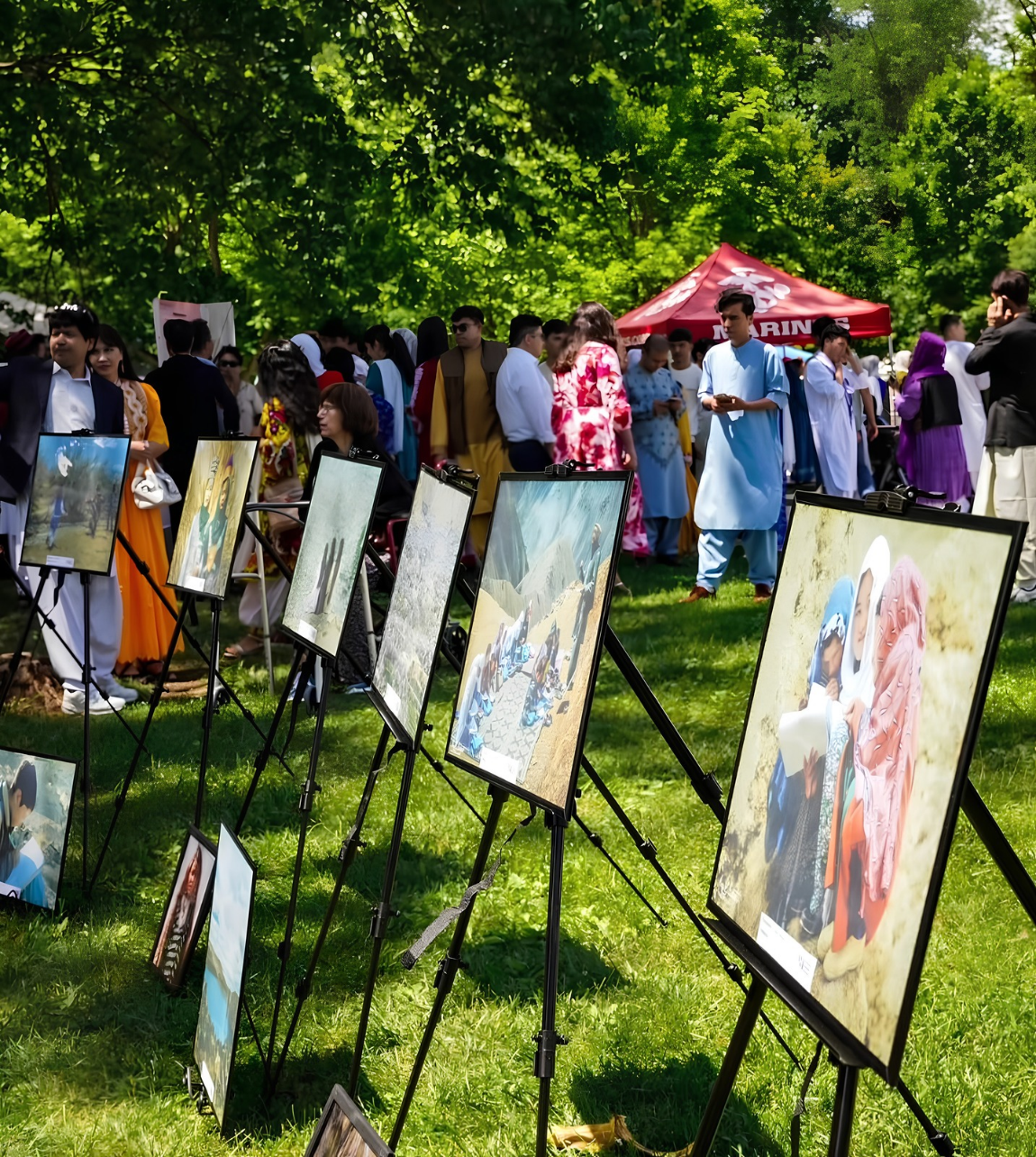
In May of 2026, one of the biggest celebrations of Hazara Culture Day was held in Maryland, with over a thousand people in attendance. Many people had traveled long distances, with some driving cross-country and others flying internationally.
That day, the park was filled with people wearing colorful and traditional dresses with designs such as khamak-dozi and do-damanahs, and silver jewelry such as silsilas and tawouqs. Hazaragi music played out the speakers, with the familiar tunes of dambora and tabla as people danced.
Even more so, traditional foods were put up for display, like dalda and naan-butta. Market stands surrounded the park, where people sold Hazaragi clothes, art, and even books written by Hazara authors.
Hazara Culture day is one of my favorite days of the year. Growing up in the United States means that there is little to no cultural representation and contact for Hazara youth, a situation familiar to the Hazara diaspora all around the world, living far from home. The celebration of Hazara Culture Day allows for traditions and customs to be taught to younger generations, and ensures that the culture is passed down.
For many elders and recent migrants, it is also a means of reconnecting; moving to a new country is often lonely and isolating, and the one day of being surrounded by celebration and the diaspora provides much needed solace.
In Afghanistan today, the Hazara culture and people are actively being wiped out. The Taliban have long targeted Hazara communities in Afghanistan, in places like Jaghori and Daikundi since their return to power; Hazaras are forced out of their ancestral homes and land by the Taliban, which, in the long, harsh winters of Afghanistan, results in the death and starvation of many. Hazara leaders who attempt to defend or advocate for themselves and their communities face beatings, prison, and death at the hands of the Taliban.
Hazara Culture Day was first established to be celebrated on May 19th. It serves not just a day where we celebrate our culture, but also a day where we push back against the cultural erasure and ongoing discrimination. It is our collective resistance against the century long persecution; it is a day where Hazara culture is preserved, and the wounds that come with our history begin to heal.